
Category: Reviews
What We Do in the Shadows – Film Review
 I’m not fussed to watch the latest Thor extravaganza, but its release at least reminded me to track down director Taika Waititi’s earlier film, a mockumentary about house-sharing vampires in Wellington, which he made with Flight of the Conchords’ Jemaine Clement.
New Music 11/2017 – Pixx, Agnes Obel
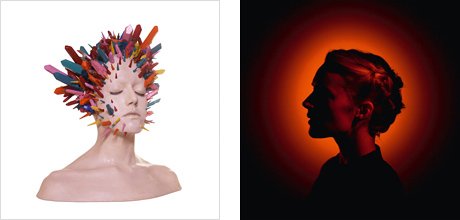 A poptastic debut and a perfect soundtrack to a wintry night.
Interpreter of Maladies by Jhumpa Lahiri – Book Review
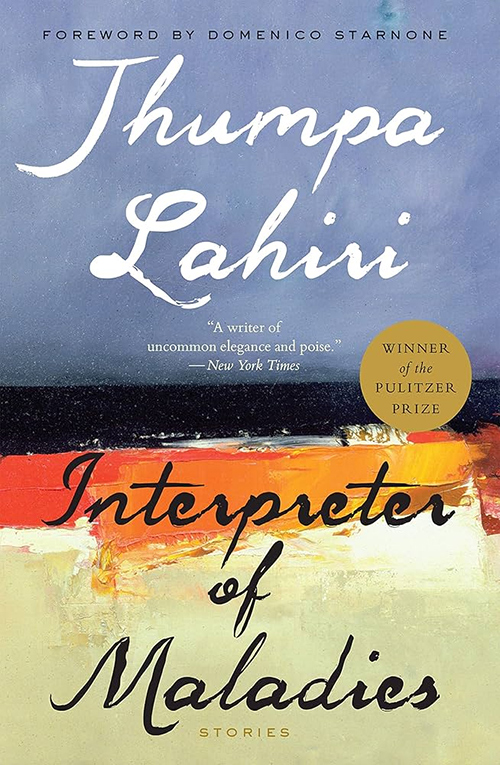
In between book club reading, I’ve revisited one of my favourite short story collections, destined to be one of those books I take off the shelf again and again.
Cast Away – Film Review

I must have been in a mood for one-man survival stories, because after renting I Am Legend the other week next up was this Tom Hanks drama I somehow avoided watching all these years. Except that this time there are no killer mutants and instead of a dog, Tom Hanks’ character talks to a washed-up volleyball.
I Am Legend – Film Review
 The DVD I rented offered me a choice of the theatrical cut, and the alternative version with the original ending that was scrapped after it was unfavourably received at the test screenings. While I really enjoyed the movie this story of two radically different endings is probably its most interesting aspect. The DVD menu made me feel like a character in a fairytale: shall I take the road on the left, or the road on the right? With the magic of the remote, I watched both endings, and once again marvelled at Hollywood’s willingness to ruin a perfectly fine film.
Spoilers for the endings ahead.
Good Time Girls of the Alaska-Yukon Gold Rush by Lael Morgan – Book Review

One of the joys of travel is finding things you’re never going to encounter at home. I spotted this book at a supermarket checkout while in Alaska, and I think it’s safe to say I wouldn’t have come across it anywhere else.
Open Your Eyes – Film Review
 A mind-bending Spanish psychological thriller with Penelope Cruz, which later was remade as Vanilla Sky, an ill-received American version with Tom Cruise and, bizarrely, Penelope Cruz again. I’ve watched this in a rather groggy state of mind after a poor night’s sleep, and the movie’s twists and turns definitely perked up my brain by the end of it all.
Blade Runner 2049 – Film Review
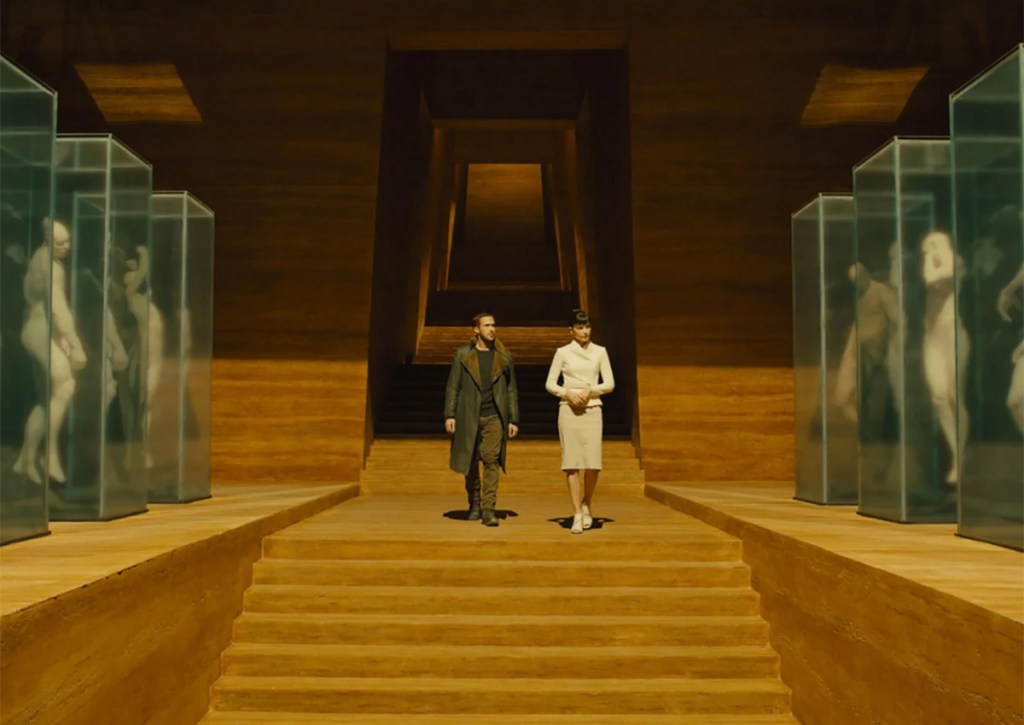
In my mind, the original Blade Runner was a cinematic lightning-in-a-bottle that emphatically did not call for a sequel, so when Blade Runner 2049 was announced I felt rather sceptical about the idea. I can’t say I’ve been entirely converted, but I can definitely say that Denis Villeneuve’s film is worth watching on the big screen for the spellbinding visuals alone.
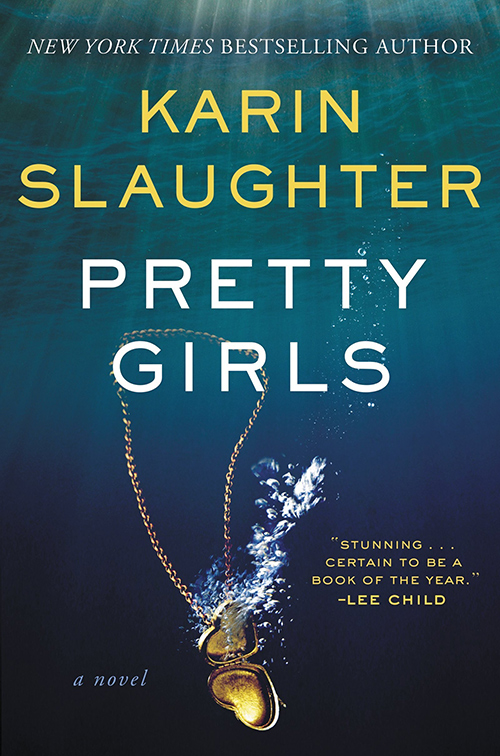
Pretty Girls by Karin Slaughter – Book Review