

 Loosely based on a novel by Virginia Wolf, Orlando chronicles 400 years through the eyes of its gender-bending hero/heroine, played by Tilda Swinton. Born in the time of Queen Elizabeth I, Orlando is a young nobleman who becomes the favourite of the aging monarch, and is commanded to never wither and grow old.
The film then moves through the four centuries as Orlando falls in love with a Russian princess, tries different careers including a stint as an ambassador to the Middle East, dabbles in poetry… and changes sex midway, awakening one morning to find herself a woman (Orlando’s calm reaction while observing her new body: Same person. No difference at all… just a different sex.)
 I watched this film once 20 years ago, after it swept the 1997 Academy Awards and famously became the object of hatred for Elaine from Seinfeld:
 This big-screen version of Stephen King’s 1,200-page doorstopper is not great, but solid enough, and considering the overall woeful track record of King film adaptations, it can be counted as a success.
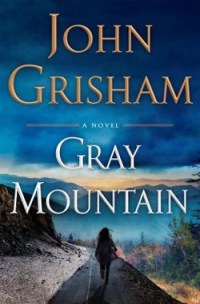 I’ve read quite a few John Grisham legal thrillers over the years. At their best, they’re tightly constructed, entertaining, compulsive page-turners you can’t put down. At their worst, they’re… well like this dud of a book.
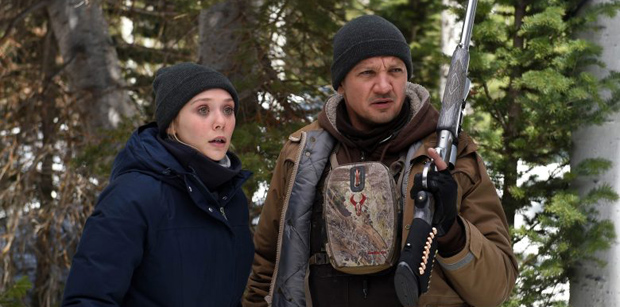 A stark and powerful mystery thriller, with a mood of deep melancholy that stuck with me long after I’ve left the theatre. Part of it is the natural setting, the vast, silent wintry expanses of snow and forbidding mountains of Wyoming, where the story takes place. While beautiful in its own way, this desolate environment makes for a harsh life. Another part is the sorrow and desperation of the people who live on the edge of this wilderness, and the hard-hitting, ugly violence of some key scenes. And there’s the haunting, sparse score from Nick Cave and Warren Ellis.
 I haven’t read anything by Anita Shreve before, but she sure knows how to grab the reader’s attention in the opening chapter. A video tape is brought to the headmaster of a small exclusive New England boarding school, which shows three male students, aged 17 to 19, engaged in sexual acts with a girl. She doesn’t seem to be in any way unwilling, but she is clearly very young, fourteen as it turns out. There’s also a fourth person operating the camera whose identity is never revealed during the scandal that explodes soon after and destroys the lives of the people involved.
 Ah, Keanu Reeves. For a long time, I foolishly dismissed him as just a mediocre wooden actor, and I still consider his performance in Bram Stoker’s Dracula a crime against cinema. With time, I learned to appreciate his unique onscreen presence and a peculiar blend of masculine and feminine qualities; he might not have the greatest range but he’s a fantastic physical actor and in a right role, his performances are truly iconic. John Wick is one of those perfect vehicles for Reeves’ particular set of talents.
 The Lobster made me think of Ray Bradbury’s sci-fi short stories I read as a teenager, where some “what if” premise would be taken to an absurd extreme, except that this movie does it with an extra helping of bonkers. If you’re a fan of out-there scenarios, the summary should grab you instantly.
 yggdrasille.com