

Reader’s Bill of Rights
1. The right to not read
2. The right to skip pages
3. The right to not finish
4. The right to reread
5. The right to read anything
6. The right to escapism
7. The right to read anywhere
8. The right to browse
9. The right to read out loud
10. The right to not defend your tastes
– Daniel Pennac
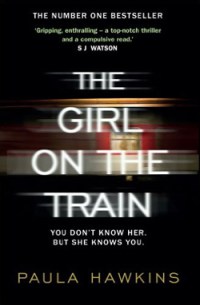 This was one of those mystery/thrillers where you go, hmm I think I can see where the story is going, but there are still plenty of pages left, so hopefully there’s some totally unexpected juicy twist in store… oh wait there isn’t. So then the remainder of the book is just waiting for the main character to connect all the dots and for the story to roll out, which is rather tedious. I don’t usually play Sherlock and try too hard to solve the crime or predict the plot of the books and movies – in most cases I prefer to sit back and go along with the story, and I rather like being surprised. Here though the red flags are so obvious I couldn’t help but guess the culprit long before the heroine does.
 Surprisingly, I got through the third entry in Ferrante’s Neapolitan Novels much quicker than the first two – maybe because of greater familiarity with her style. In this novel, Elena/Lenú and Lila, the two girls we first met as young children in My Brilliant Friend, are now grown women entering their third decade.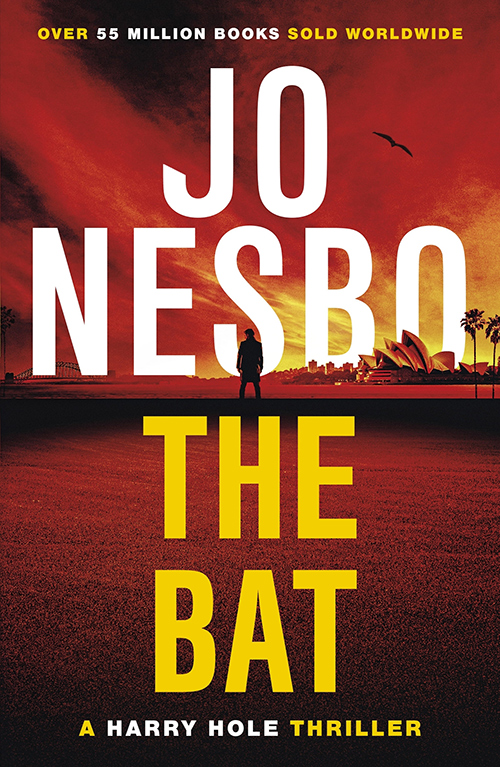
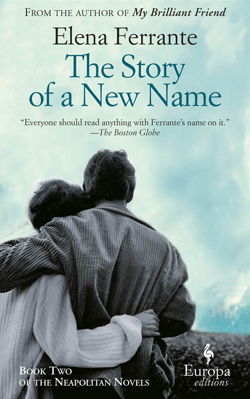 The second entry in Ferrante’s Neapolitan Novels is just as good as the first one, if not better. It continues to chart the stories of Elena and Lila, the two young girls from Naples, as they enter adulthood, and the course of their relationship which is far too complicated to be referred to as friendship.
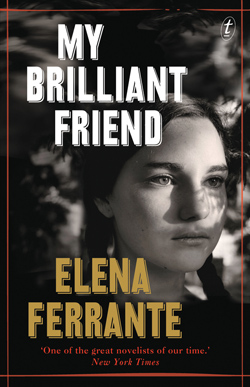 This is the first volume in the Italian writer’s Neapolitan Novels series, and if the next three books are as good as this one I should make it to the end of the quadrilogy in no time at all.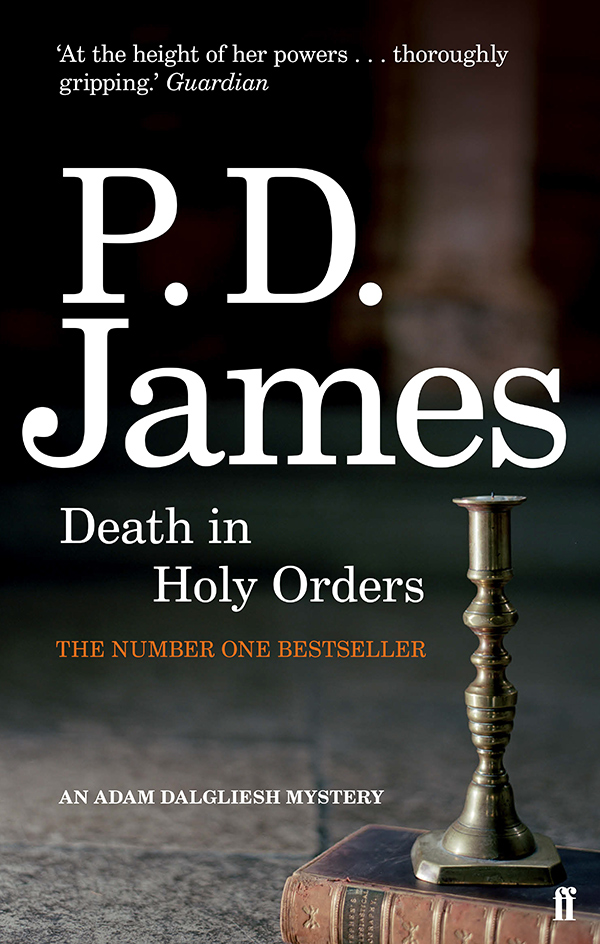
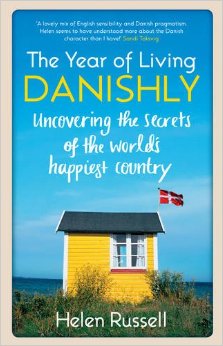 Another I-moved-to-another-country book, this one by a London woman who moved to Denmark after her husband got offered a job with Lego – and rather than exchanging one capital city for another, they move to the “real” Denmark, a tiny town of 6,100 in the rural Jutland (the European peninsula part of Denmark). Unlike many other books of the similar sort, which are rather rambling in nature and simply concern themselves with the author’s experiences in a foreign country, this one has an actual focus: uncovering the secrets of Danish happiness.

 yggdrasille.com