


“Yet who would have thought the old man to have so much blood in him?”
This Poirot novel was written as Christie’s response to her brother-in-law James, who had complained that her murders were getting too refined and anaemic. You’d hope that James’ craving for a ‘good violent murder’ was satisfied with this locked room murder mystery: its chief victim, a cantankerous wealthy patriarch, is found in a pool of his own blood, his throat cut, after making a noise described by witnesses as “a soul in hell” or “a stuck pig”.
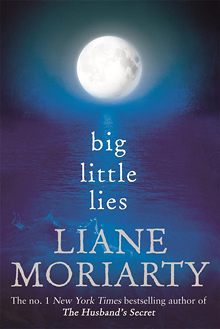 This was a perfect book to spend time with while staying in bed with a nasty head cold: entertaining, fast-paced, insanely readable, deftly mixing froth and humour with heavier subjects like bullying, domestic abuse and single parenthood. My view of the novel is inevitably coloured by the excellent HBO mini-series, which I watched first, so I can’t help but compare. “The book is better” is a very routine remark about onscreen adaptations, but in this case I thought that both versions had their particular strengths and weaknesses.
 I read this remarkable landmark sci-fi novel all over again immediately after I finished it, which is exceedingly rare for me. I simply wasn’t satisfied with my first reading, which happened in short bursts separated by long periods of time; this is a kind of richly detailed and imaginative book that’s best appreciated by immersing yourself into it for a while.


 Books are like cities. Some you only ever need to visit once and you absorb all they have to offer in one go, while others you could re-visit over and over, getting lost in its alleys and passageways and noticing new things every time. This book, not quite a traditional novel but more like a novel in short stories, about the community in a small coastal town in Maine, is so rich in detail and insight I can see myself picking it up from the book shelf a few times over.

