

Tag: books
Normal People by Sally Rooney – Book Review
 I gobbled up this book club read in one go, in about three hours on a lazy Sunday morning. I’m generally a fast reader, but it’s a real testament to Sally Rooney’s clear prose and the irresistible pull of her story about a complicated on-and-off relationship between two young people.
Ordeal by Innocence by Agatha Christie – Book Review

Oh my god, an Agatha Christie novel I’ve never read before! I can’t claim to have equally strong recollections of all the Christie books I read as a teenager, but Ordeal by Innocence was a genuine blank spot, since somehow it avoided my collecting zeal.
Three Act Tragedy by Agatha Christie – Book Review
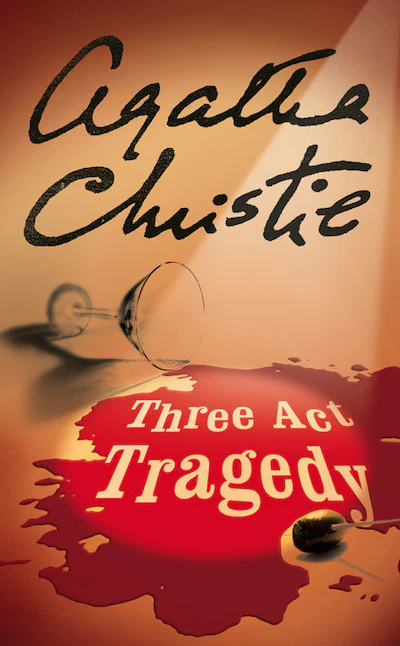
While not the most watertight or plausible Christie mystery, Three Act Tragedy is a fun Poirot outing, though it’s also one of the novels where Poirot himself is absent for most of the story. What makes the book memorable is the murderer’s motive, not only unique for Christie but also unlike anything I’ve encountered in crime fiction. When it’s revealed, it’s both outrageous and true to the psychology of the character.
Cards on the Table by Agatha Christie – Book Review
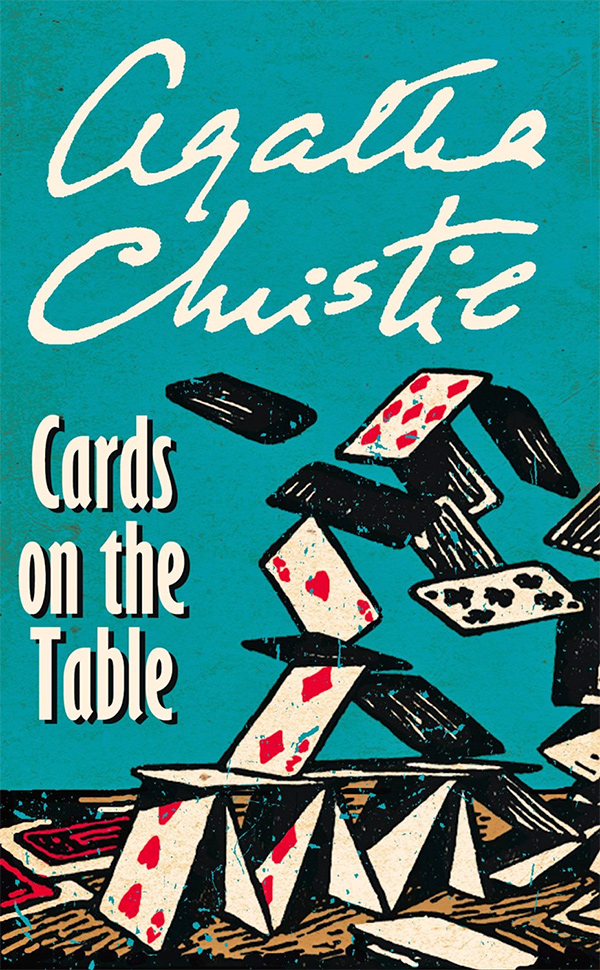
In the foreword she wrote for this novel, Christie names Cards on the Table one of Hercule Poirot’s favourite cases. I guess there’s no arguing with the author who is basically God of her fictional universe, but even so it’s a plausible claim. This case depends almost entirely on psychological sleuthing, and there’s nothing that our favourite Belgian detective enjoys more.
Her Fearful Symmetry by Audrey Niffenegger – Book Review
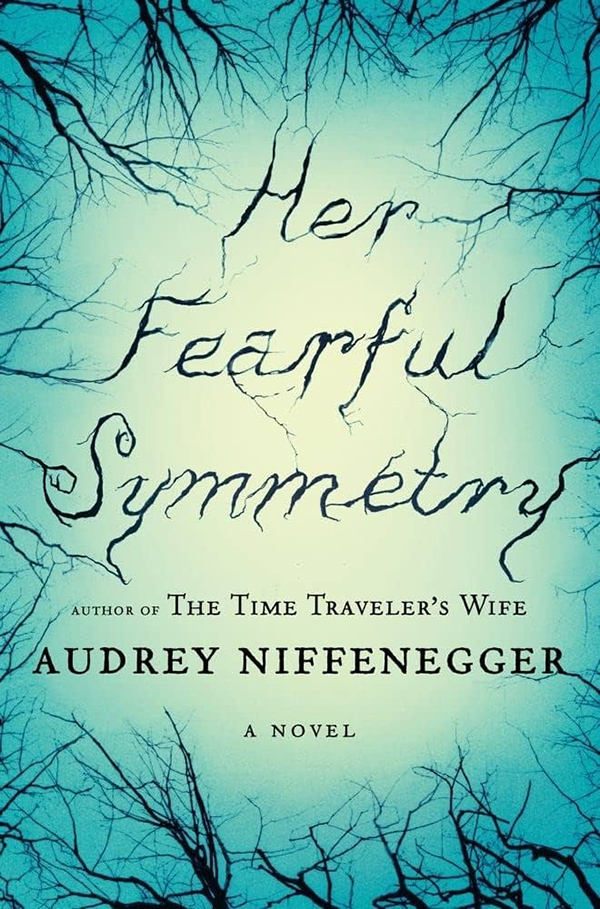
There was a lot to like about this flawed but compelling follow-up to The Time Traveler’s Wife, Niffenegger’s phenomenally successful debut which must feel like both a blessing and a curse to its author. In a way, Her Fearful Symmetry feels like a time-travelling real first novel, promising a genuine talent who hasn’t quite figured things out yet. I enjoyed the setting and the atmosphere, the characters and their relationships, the story however is where I thought the book stumbled quite a bit.
Death on the Nile by Agatha Christie – Book Review
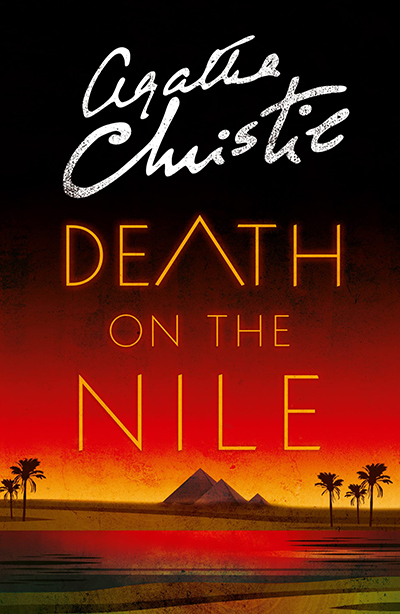
In this novel, Poirot goes on a holiday in Egypt to escape dreadful British winter and has a nice relaxing cruise down the Nile, enjoying sunshine, tranquil balmy evenings and the ancient Egyptian temples. At least, that was the idea before he ends up investigating a murder onboard the river ship. Don’t you hate it when your job keeps following you around?
Hercule Poirot’s Christmas by Agatha Christie – Book Review

“Yet who would have thought the old man to have so much blood in him?”
This Poirot novel was written as Christie’s response to her brother-in-law James, who had complained that her murders were getting too refined and anaemic. You’d hope that James’ craving for a ‘good violent murder’ was satisfied with this locked room murder mystery: its chief victim, a cantankerous wealthy patriarch, is found in a pool of his own blood, his throat cut, after making a noise described by witnesses as “a soul in hell” or “a stuck pig”.
Big Little Lies by Liane Moriarty – Book Review
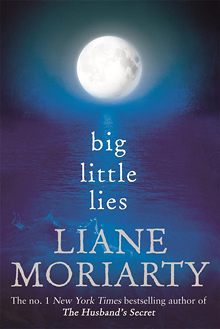 This was a perfect book to spend time with while staying in bed with a nasty head cold: entertaining, fast-paced, insanely readable, deftly mixing froth and humour with heavier subjects like bullying, domestic abuse and single parenthood. My view of the novel is inevitably coloured by the excellent HBO mini-series, which I watched first, so I can’t help but compare. “The book is better” is a very routine remark about onscreen adaptations, but in this case I thought that both versions had their particular strengths and weaknesses.
The Left Hand of Darkness by Ursula K. Le Guin – Book Review
 I read this remarkable landmark sci-fi novel all over again immediately after I finished it, which is exceedingly rare for me. I simply wasn’t satisfied with my first reading, which happened in short bursts separated by long periods of time; this is a kind of richly detailed and imaginative book that’s best appreciated by immersing yourself into it for a while.
Science fiction is a perfect medium for exploring “what if” scenarios, and the thought experiment in The Left Hand of Darkness goes like this: what would a human society look like if people had no fixed gender, and male/female dualism didn’t exist?
 yggdrasille.com