
This vast outback region has been on my travel list for years, and I finally made it there on a camping tour. It’s a truly special part of Australia.
After two international trips last year, I decided that 2026 would be the year of strictly domestic travel on a modest budget. A brief visit to Darwin aside, Northern Territory has been a huge unexplored blank for me, and its red desert heart was always a must-see, bucket-list destination, with so many iconic sights and locations I already knew well from my years in the travel industry.
Our small group included visitors from the USA, Belgium, Ireland and Denmark, and our guide was a quintessential outdoorsy Aussie guy, friendly, cheerful and absolutely in love with the Red Centre. Though the tour only lasted five days, I almost felt like I had two separate holidays rolled into one. The first half was about staying in permanent tents with proper beds, very early mornings, and more crowded sites. The second half involved plenty of dirt roads and sleeping under the stars, but also more leisurely mornings and less tourists.
Weather: like so many people in Australia and abroad, I naively assumed that the Red Centre is hot all year round. Nothing could be further from the truth. I was rather shocked to find out that winter temperatures could hover between 15 degrees Celsius during the day and 5 degrees at night. I didn’t have to wear so many layers of merino wool and fleece under a puffer jacket when I was camping in Alaska. On the bright side, those annoying pesky flies were nearly almost absent during the colder season.
Camping and swagging: I admit I had some trepidation about camping, especially when it came to the traditional bedroll swag. I slept in tents and cabins before, but I wasn’t sure how I would fare with a more basic and exposed setup, without a proper pillow and a thin mattress between myself and the rocky ground. My first night in a swag was indeed terrible with barely any sleep, but I managed to improve my second night with the help of extra blankets I used for cushioning.
Though I felt the tiredness setting in on the final day, I’m glad to say that I’m not too old and soft for camping yet. It was amazing to see the starry sky that you simply never get in a city, and sitting around a campfire is a magical, primal experience. Even the chores like collecting fire wood were fun.
Kata Tjuta
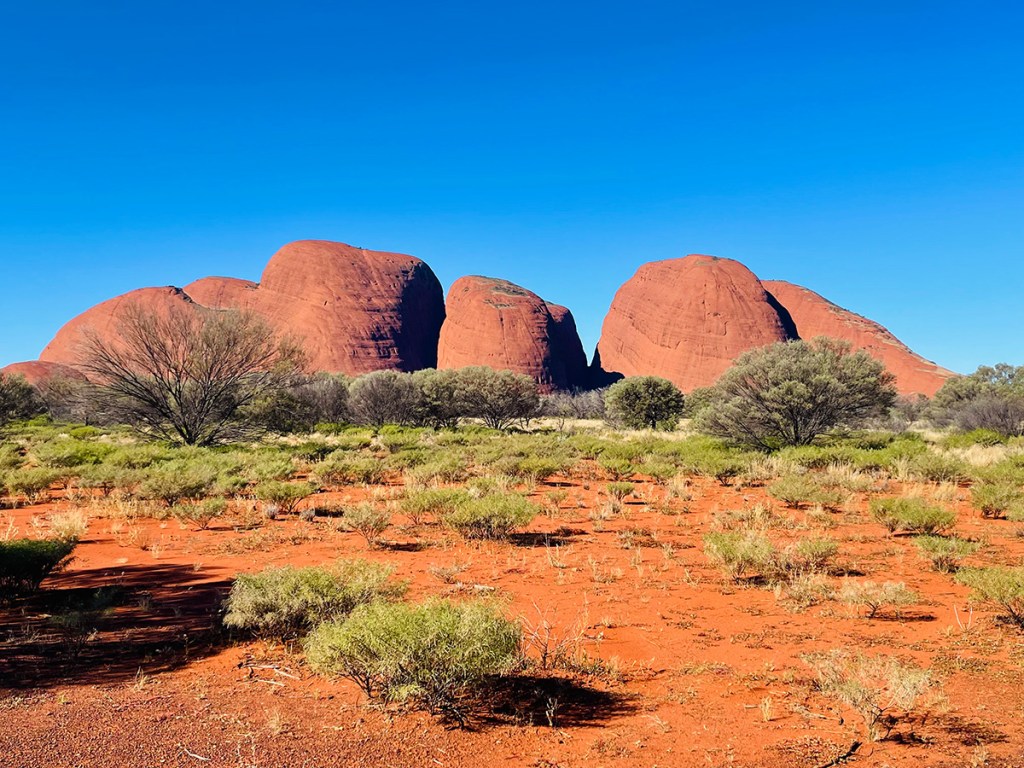
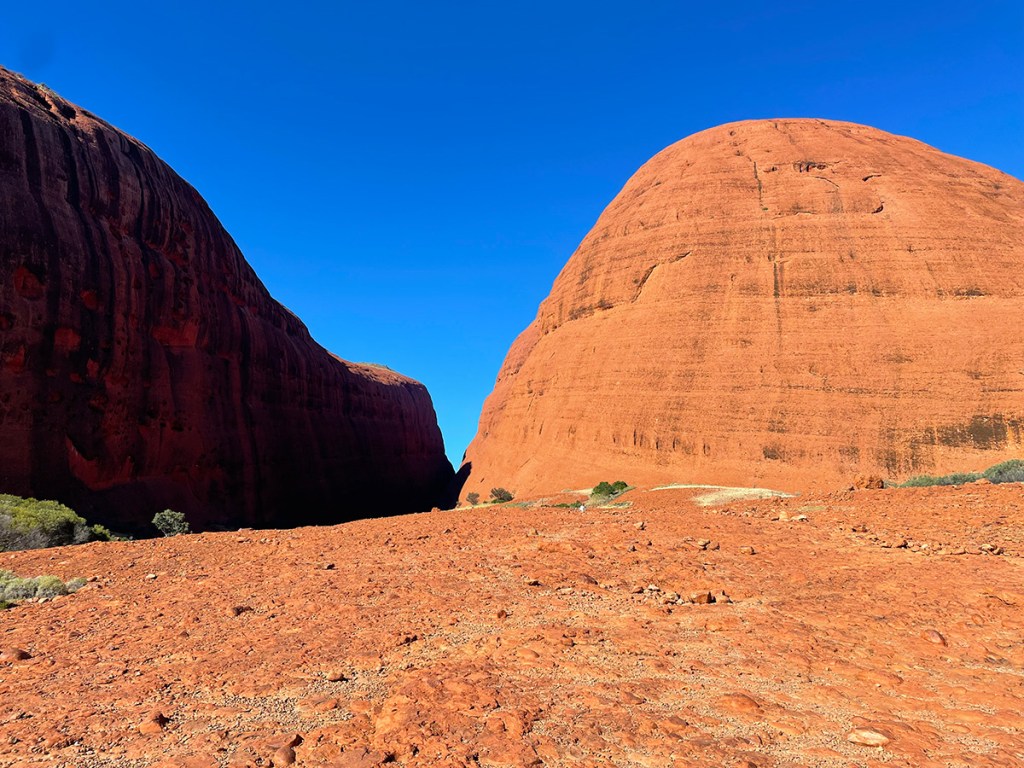
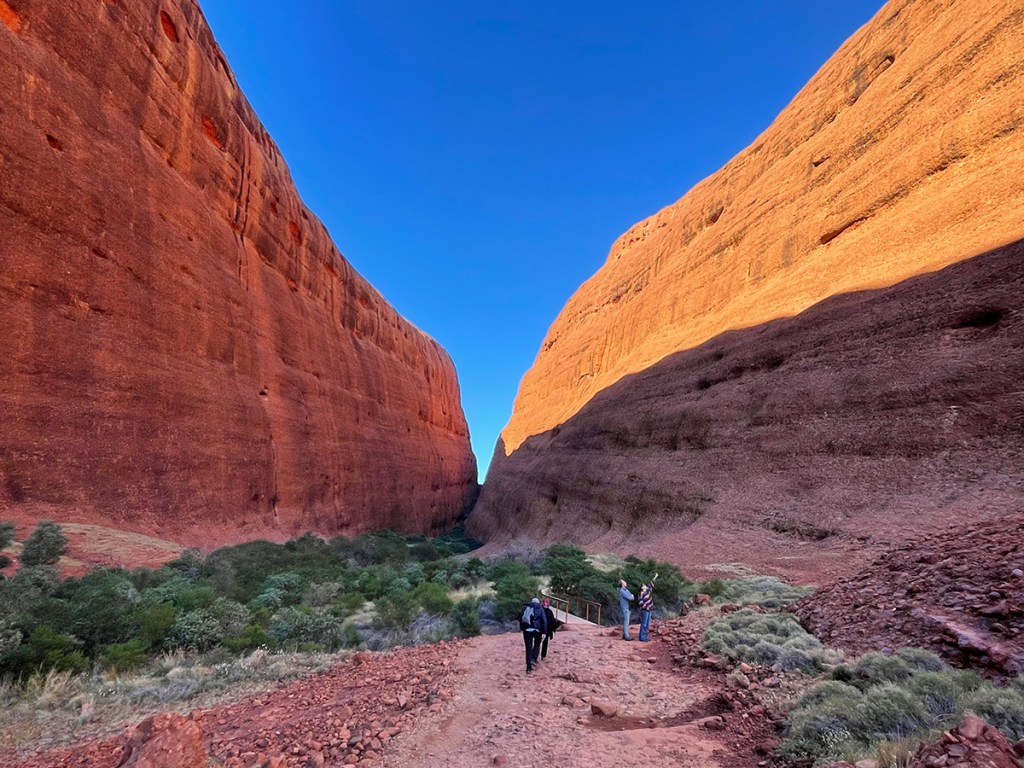
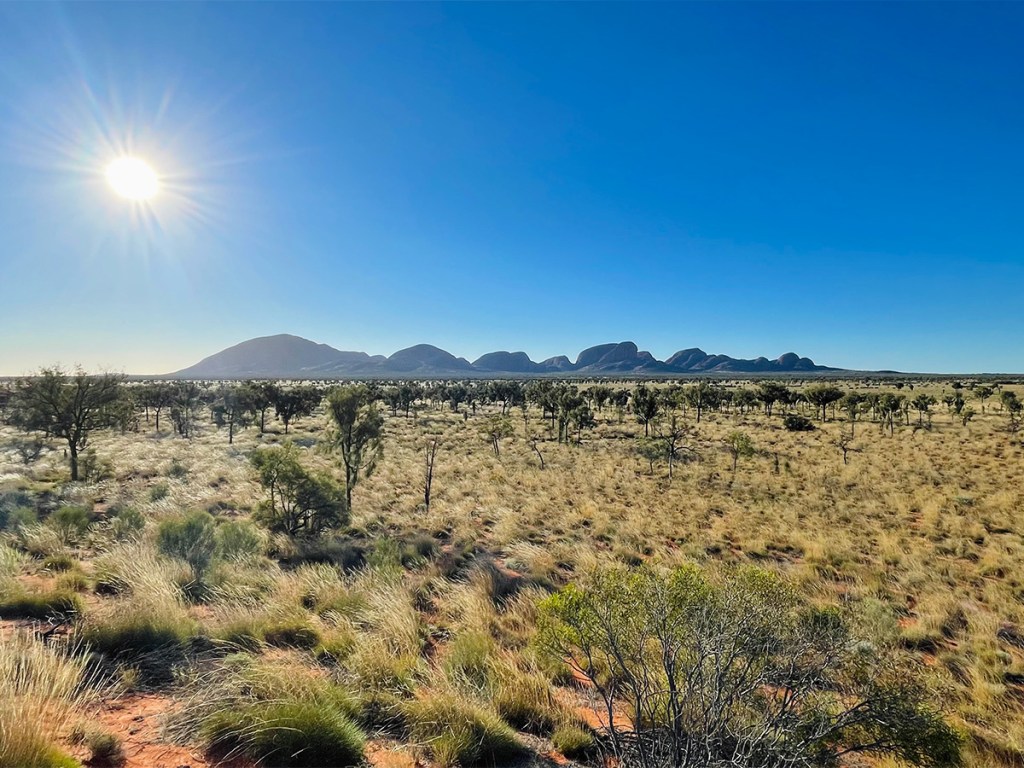
Our first stop after getting picked up from the Ayers Rock Resort was this ancient formation of huge red domes, sacred to the local Anangu people:
Uluru
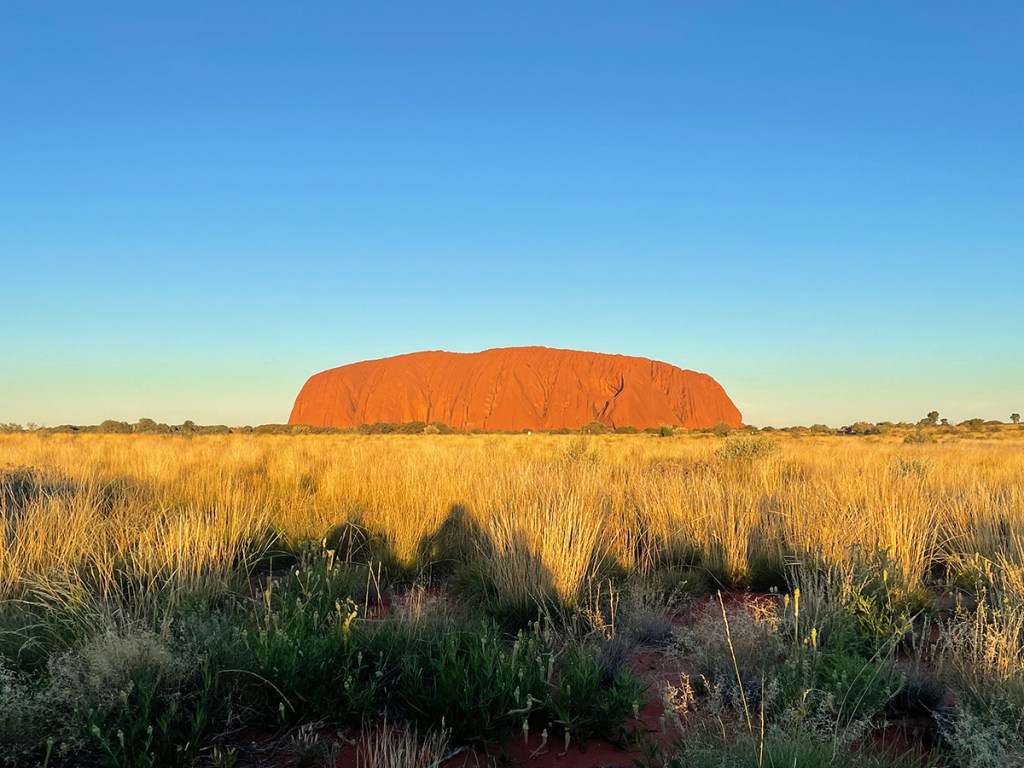
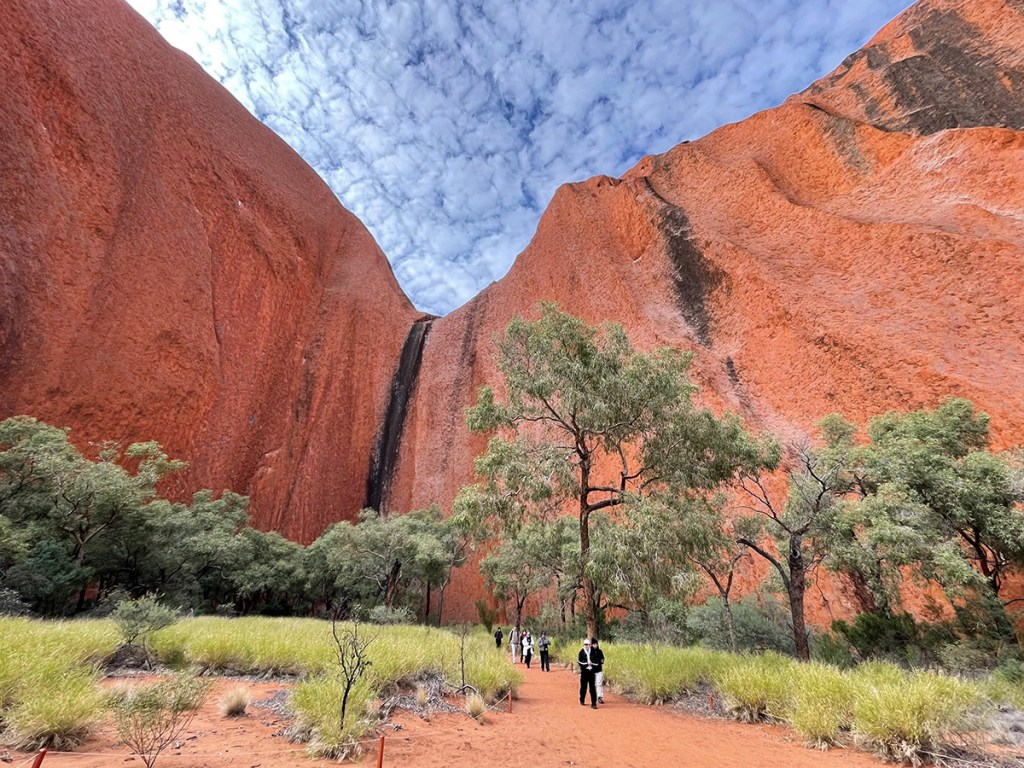
Some people describe visiting Uluru as a spiritual experience, and it’s easy to see why. There is something ethereal and otherworldly about this towering sandstone monolith. Even when you get close enough to touch it, it still feels somehow unreal. Our first Uluru viewing was at sunset, with incredible changing colours. This spot gets quite crowded, so you just have to shut out the noisy tour buses and silly teenagers filming TikTok dance.
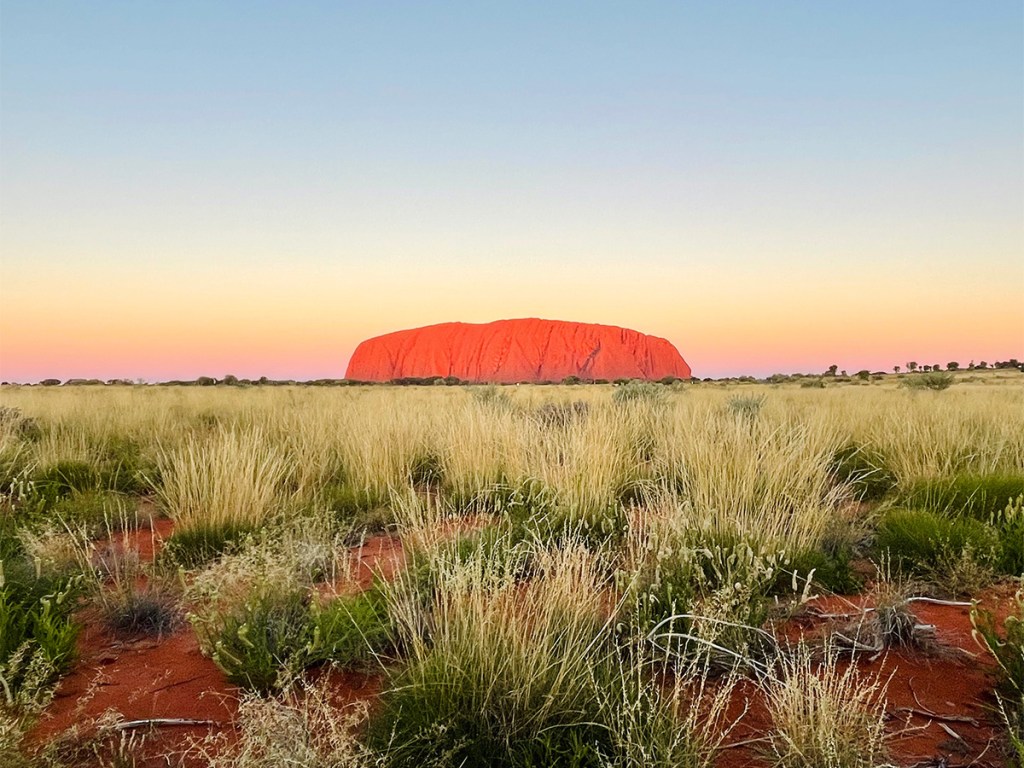
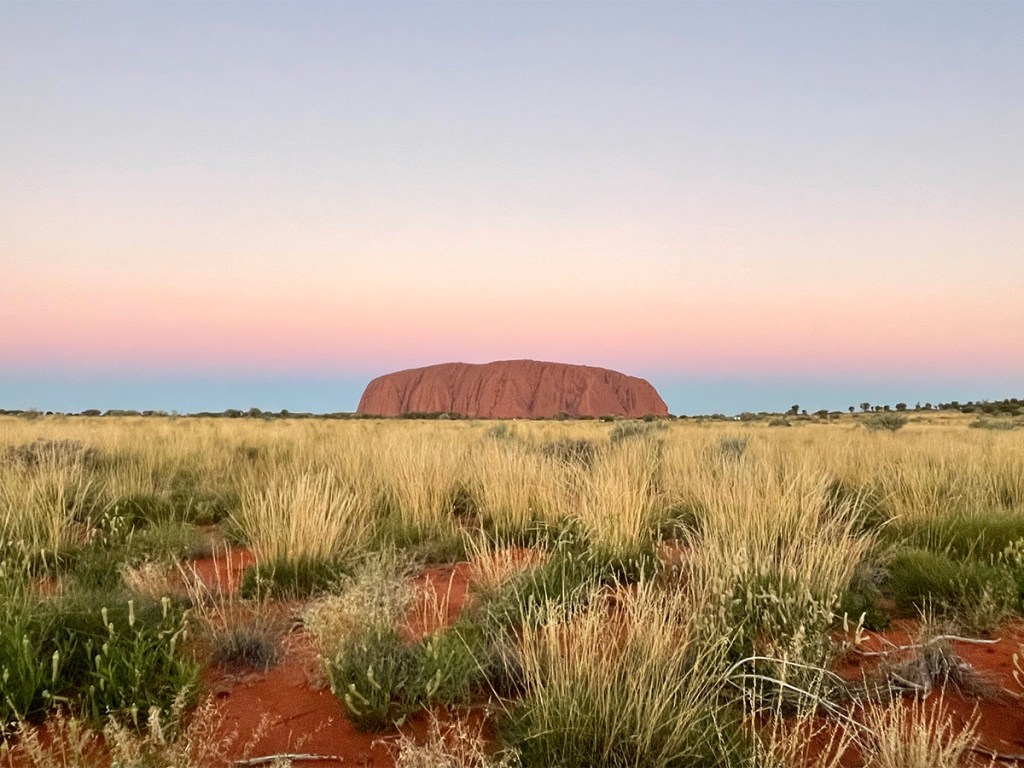
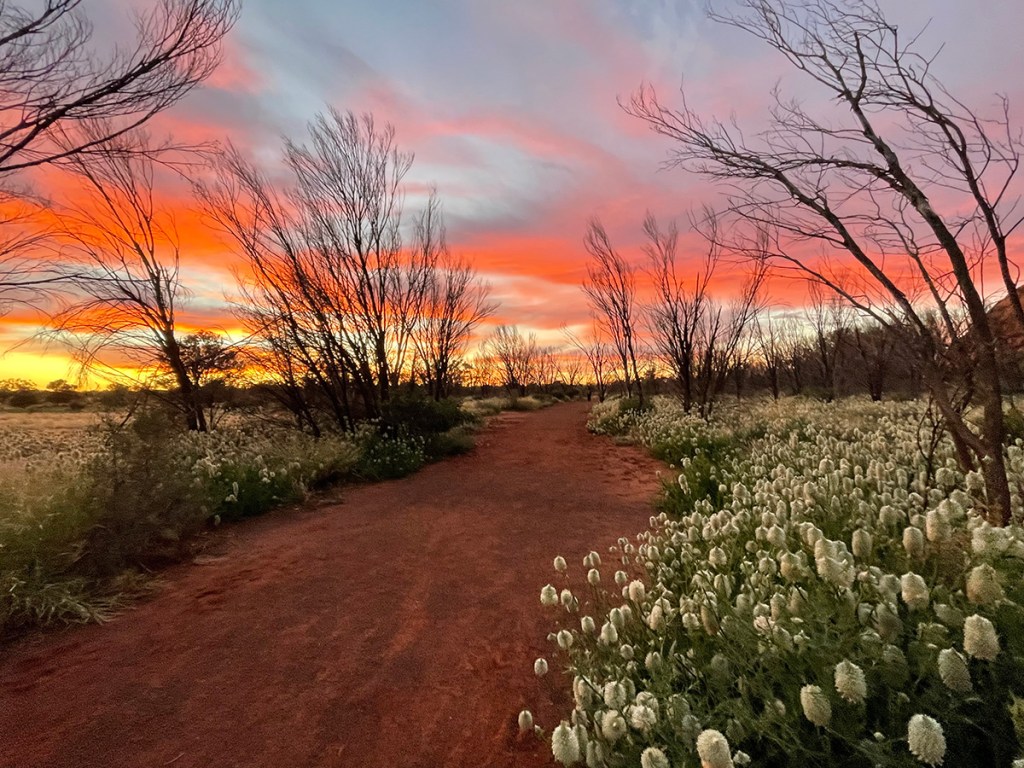
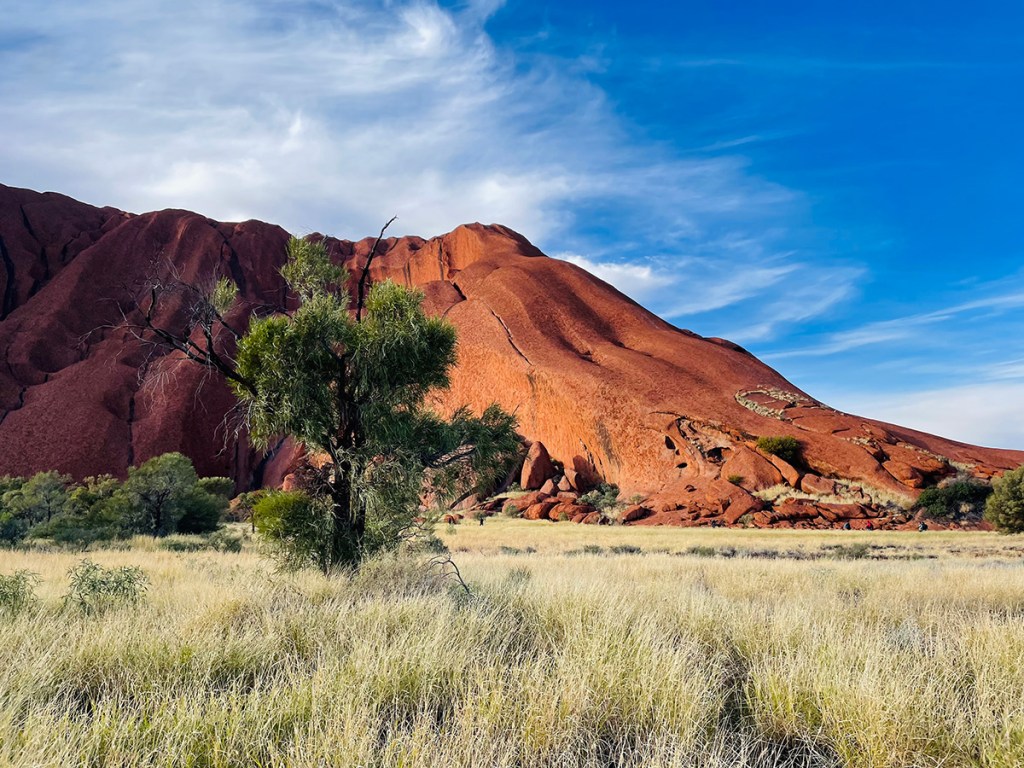
Next morning, we got up bright and early for the Uluru base walk. Our guide dropped us off at a location that’s not visited by most tours, so for a while you could enjoy the stunning sunrise in near-solitude. The walk takes you past many sites, including the ones considered sacred and off-limits for photography. I never realised how irregular the shape of Uluru is; it makes you feel like you’re exploring several varied rock formations rather than just one.
Kings Canyon
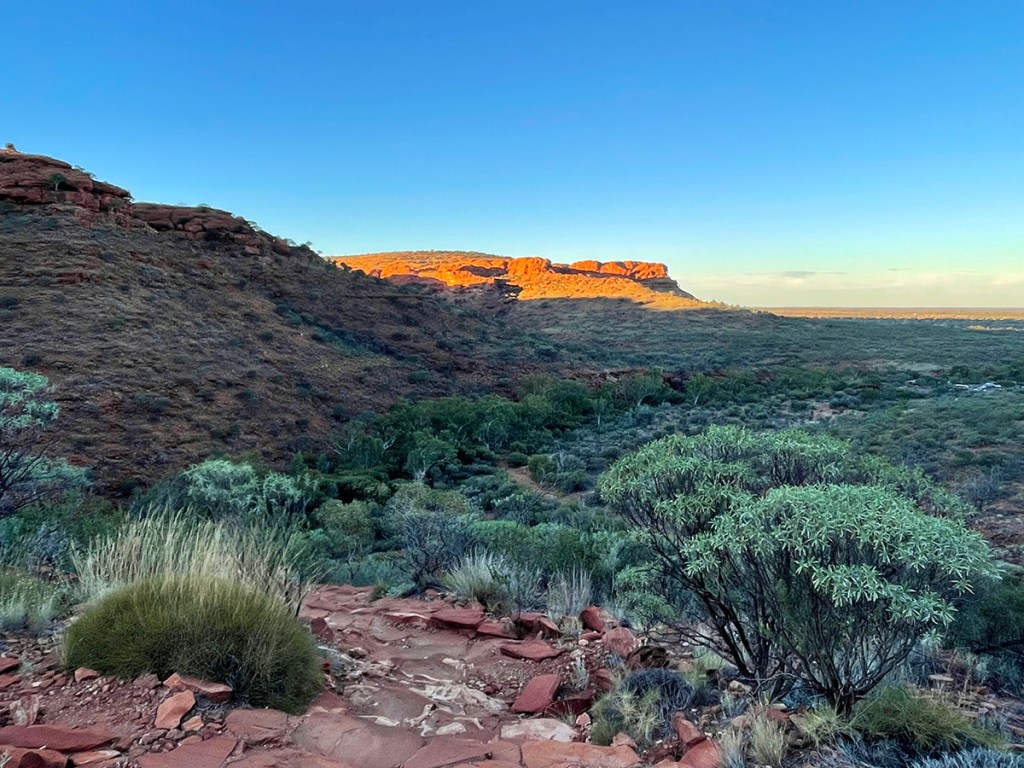
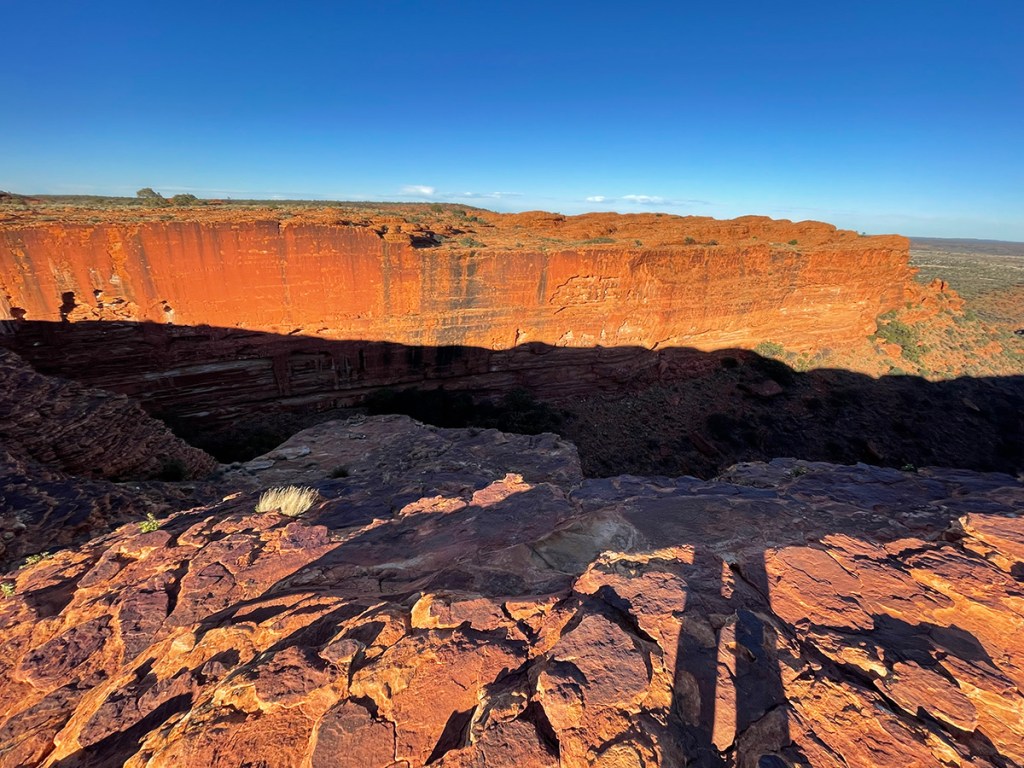
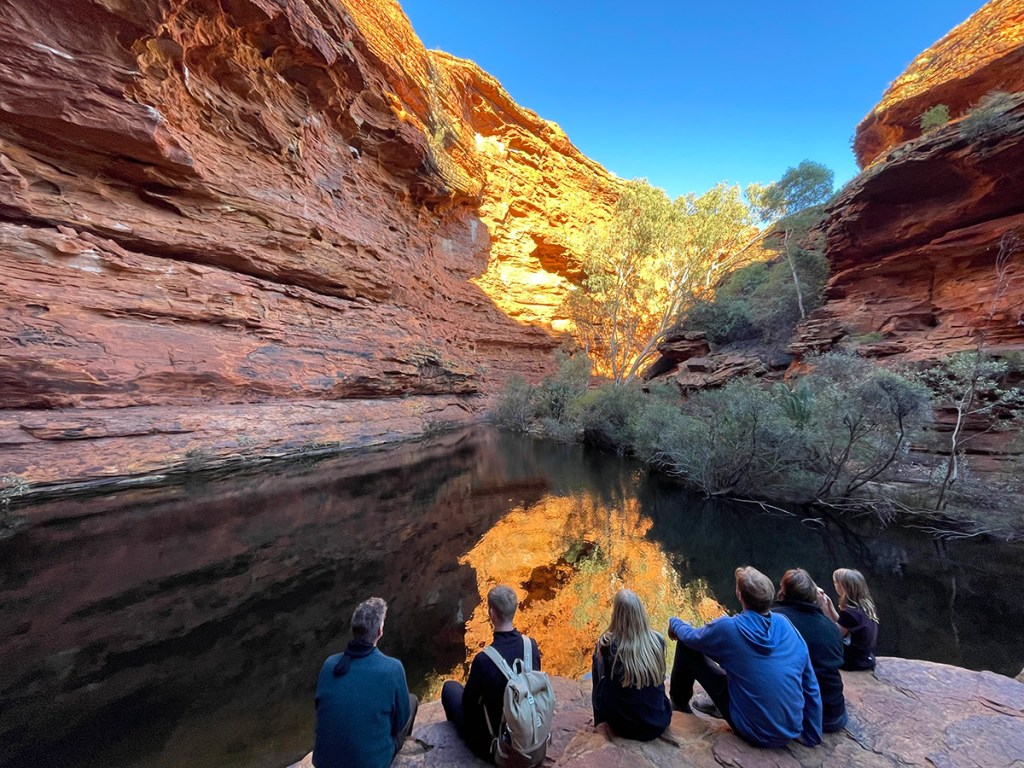
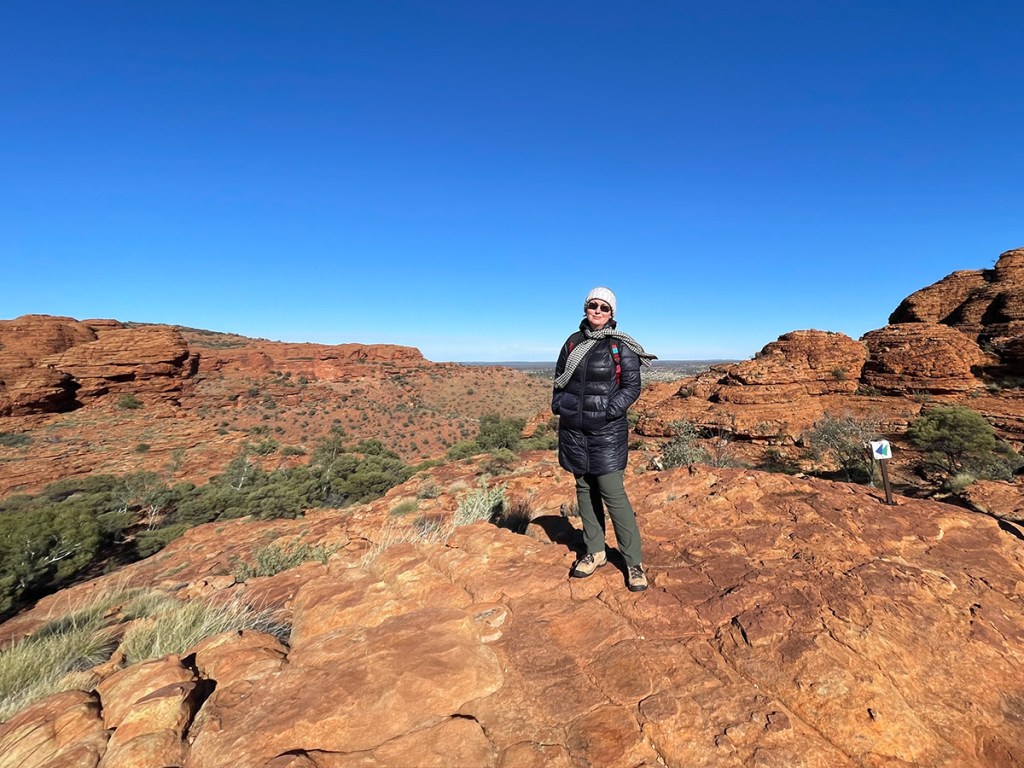
Located about three hours away from Uluru, Kings Canyon is probably the second most famous site in the Red Centre. Like most people in my group, I opted for the most difficult hike, the Rim Walk. The initial steep climb was a killer and I felt like I was about to expel my lungs from panting, but after that the difficulty is mostly about making your way across a very uneven and rocky path. The red walls of the canyon are quite breathtaking and also made my knees turn to jelly when I got too close to the sheer drop.
MacDonnell Ranges
Many visitors come just for Uluru and Kings Canyon, but I definitely wanted to venture out further and see the rugged MacDonnell Ranges. This is where the roads got bumpier, so much so that our trailer lost an esky. Luckily, a fellow driver passing by picked it up and caught up with us; it was nice to see the road code in action like that.
Our first camping spot in the middle of nowhere made all the other locations look like five-star resorts; the only amenity in sight, the toilet, was closed because some unfortunate soul fell into it a few days before, and was stuck for three hours before being rescued.
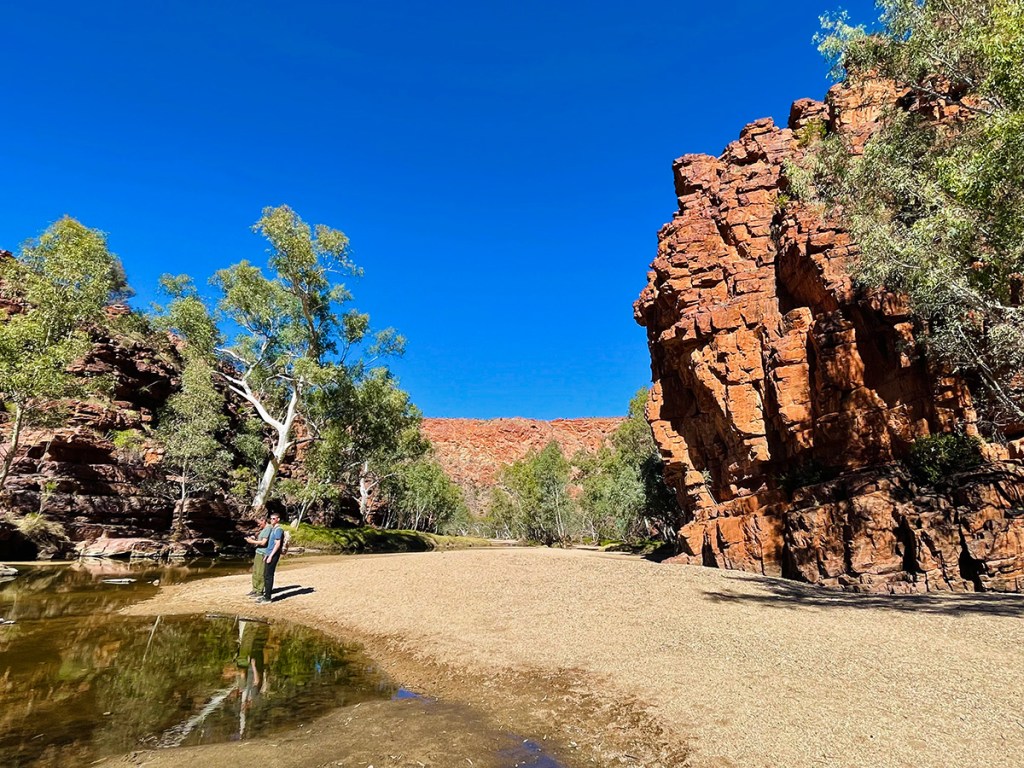
The next day was spent exploring the West MacDonnell Ranges, including the spectacular Ormiston Gorge, colourful Ochre Pits, and another gorge where most of our group went for a freezing swim. I’m however a wimp and you couldn’t drag me into the icy cold water during winter for anything.
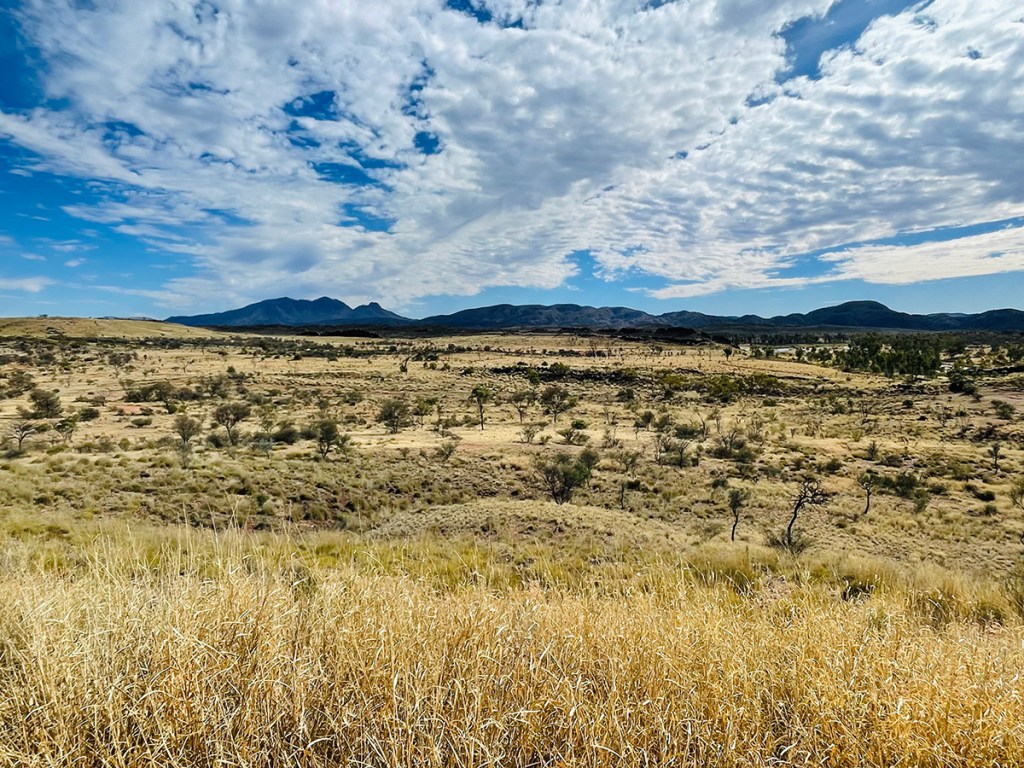
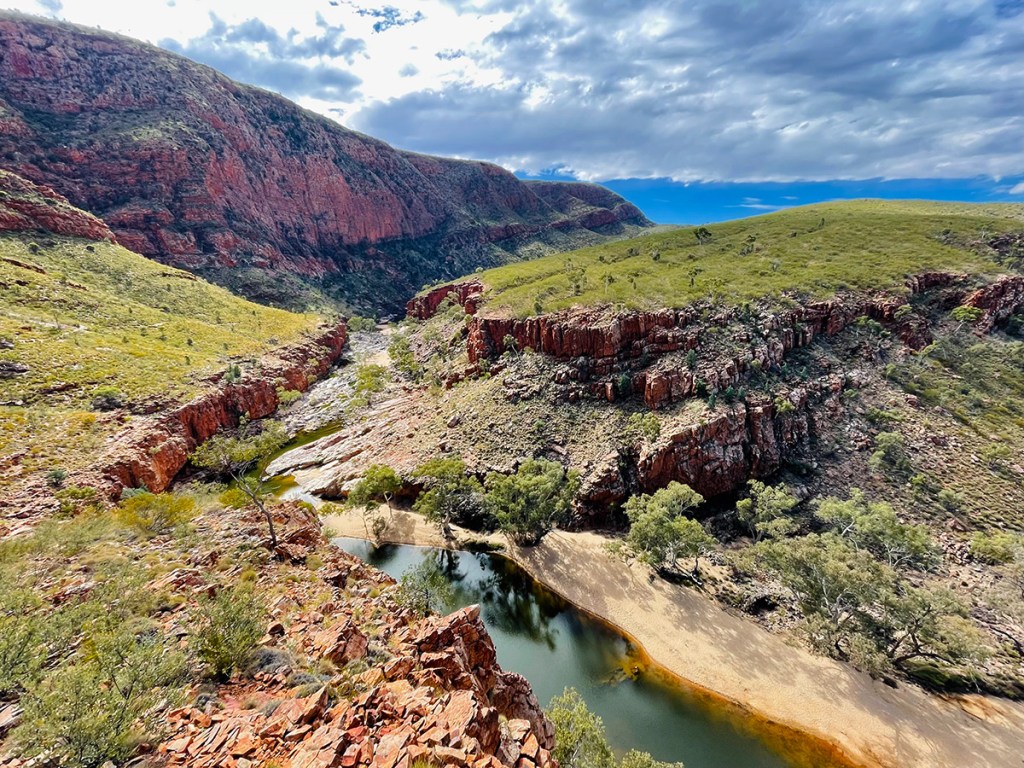
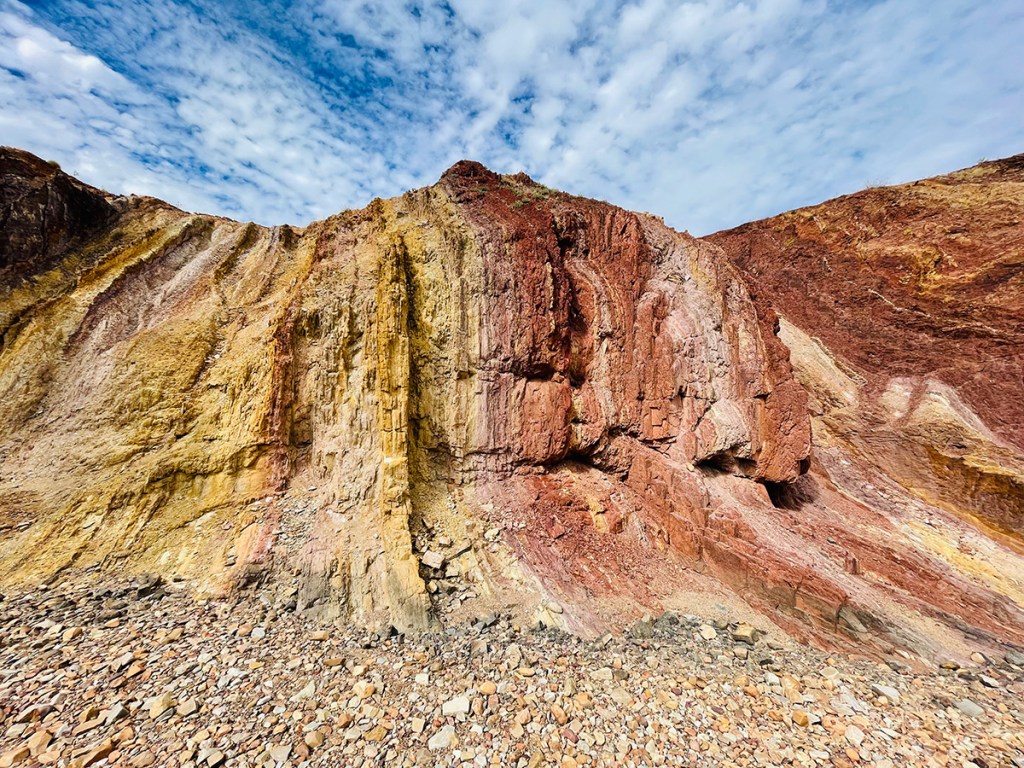
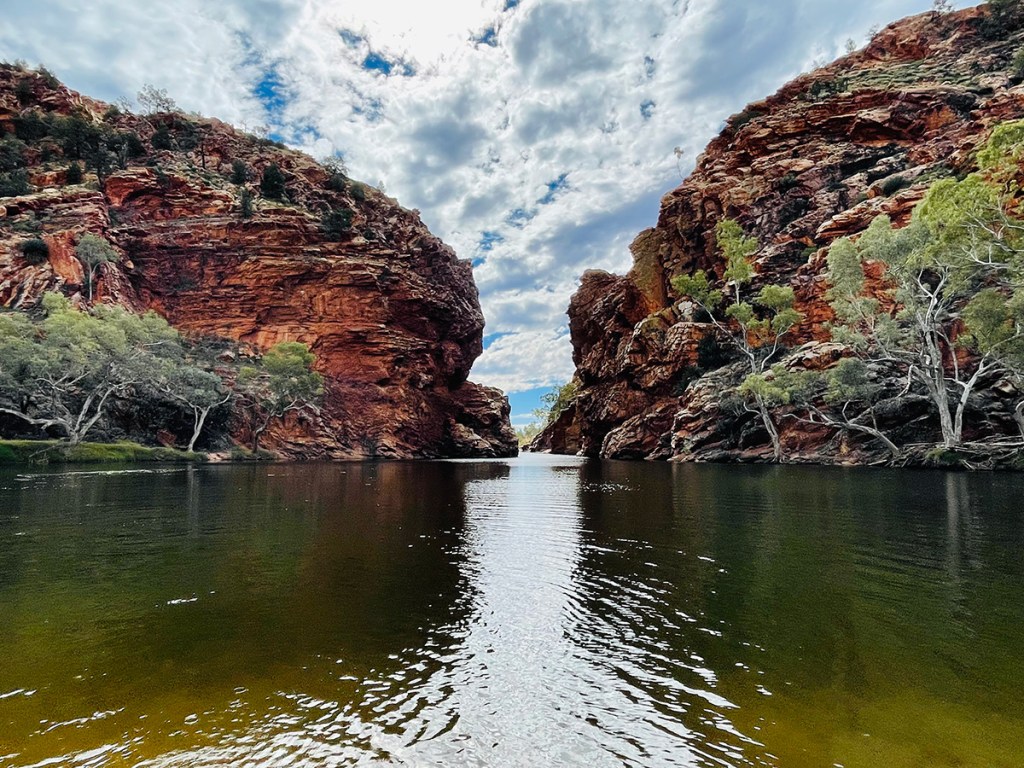
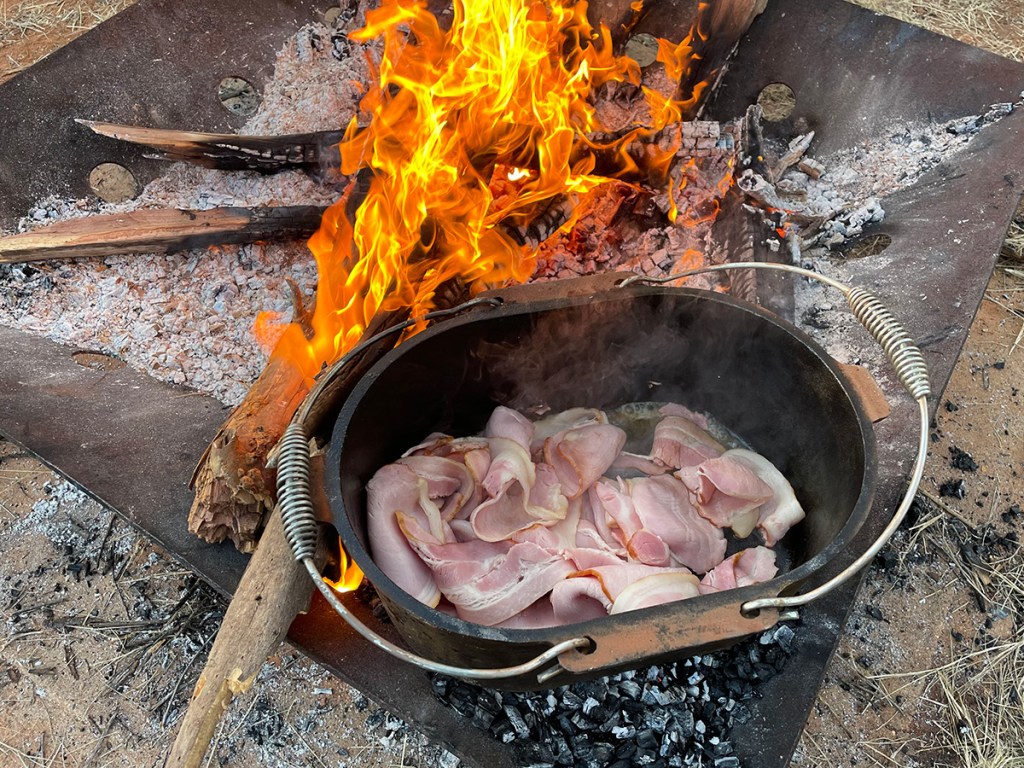
We passed briefly through Alice Springs before settling at the camping grounds near Arltunga Bush Pub in the East MacDonnell Ranges. Proper toilet, hot shower and kitchenette, oh my!
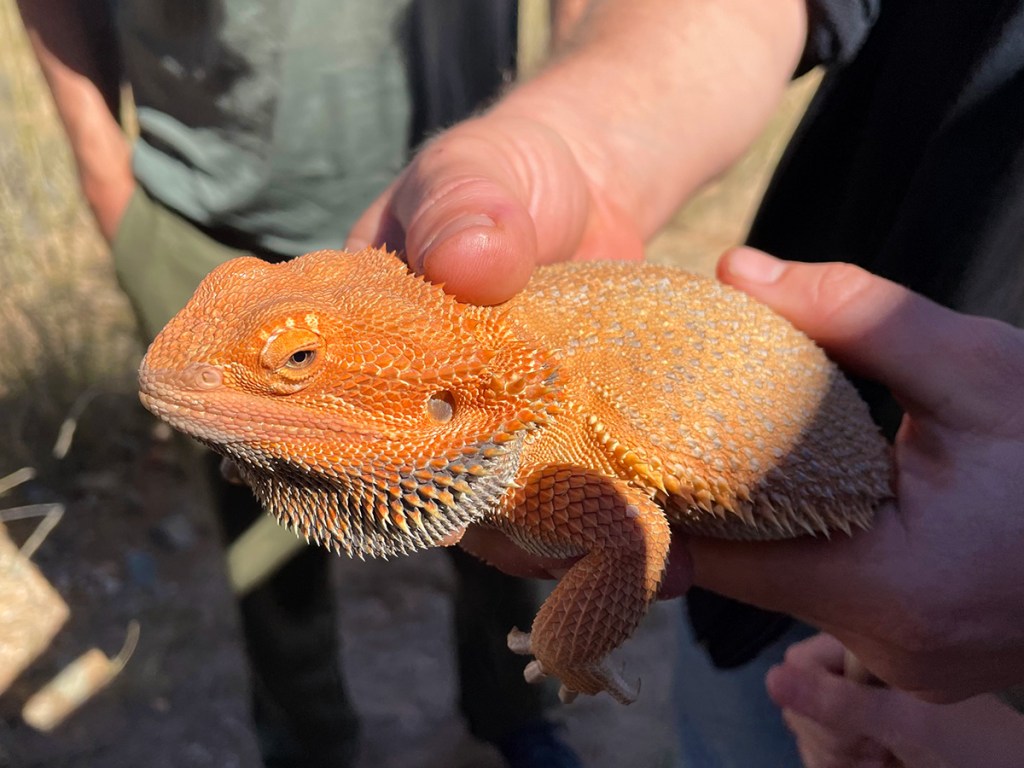
On the last morning, we explored the deserted historic town of Arltunga, born out of 19th-century gold rush. Kids in our group had a ball locking their parents inside an old jail. They were also delighted later on when our guide caught a rock lizard sunning itself in the middle of the road.
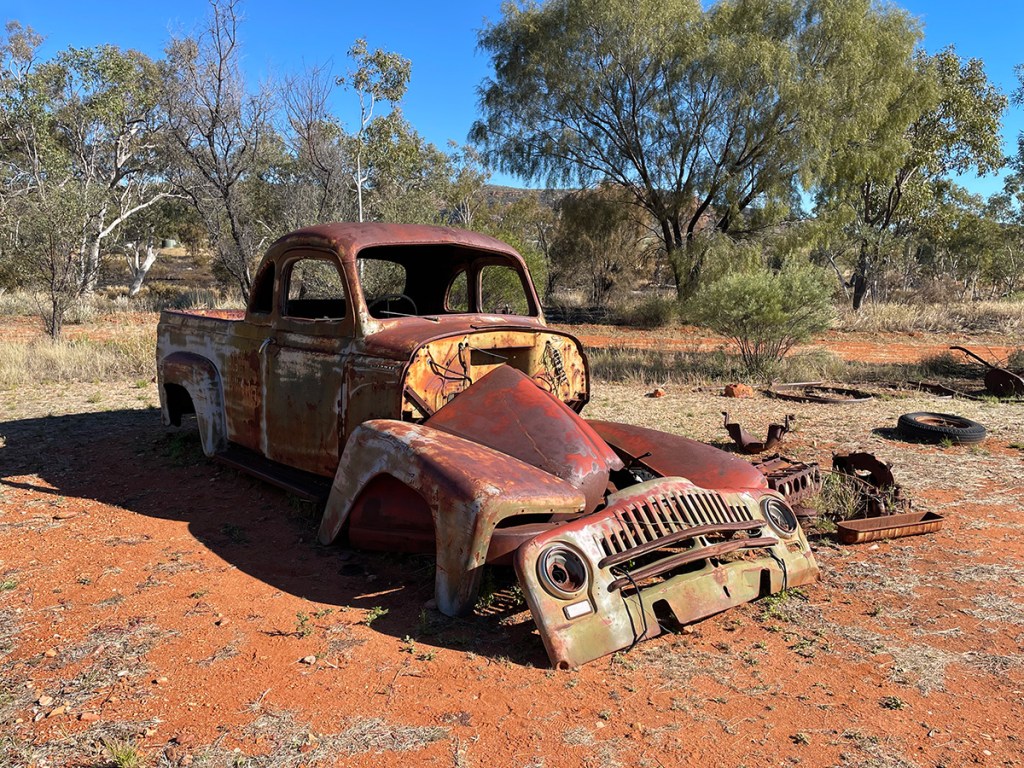
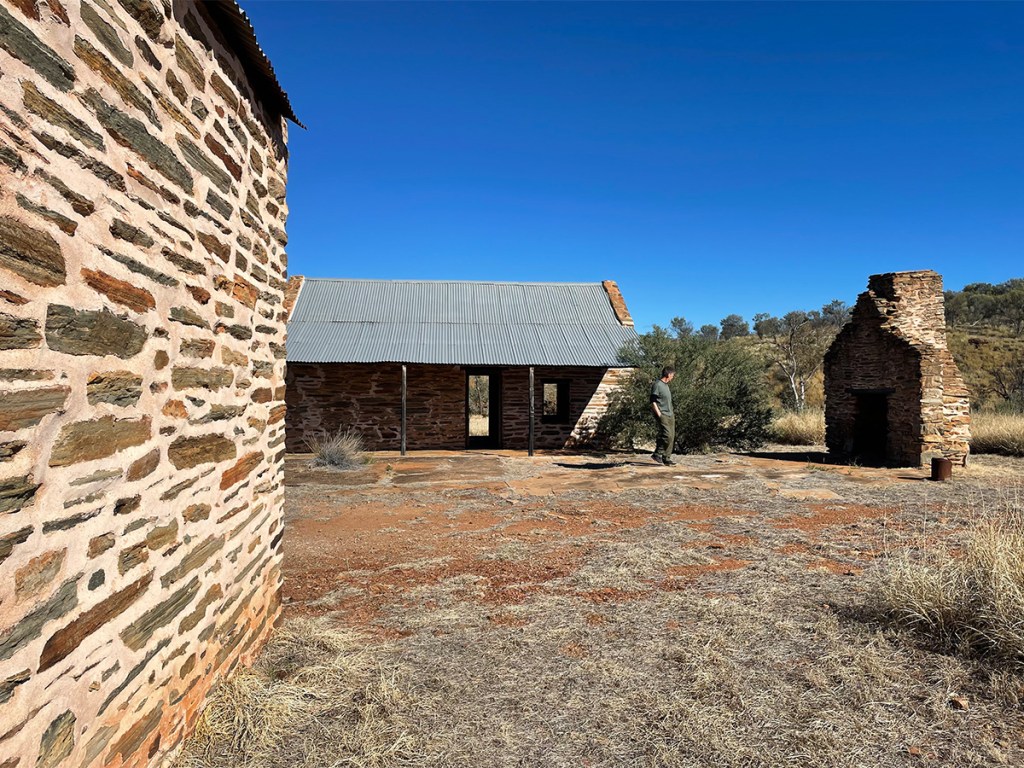
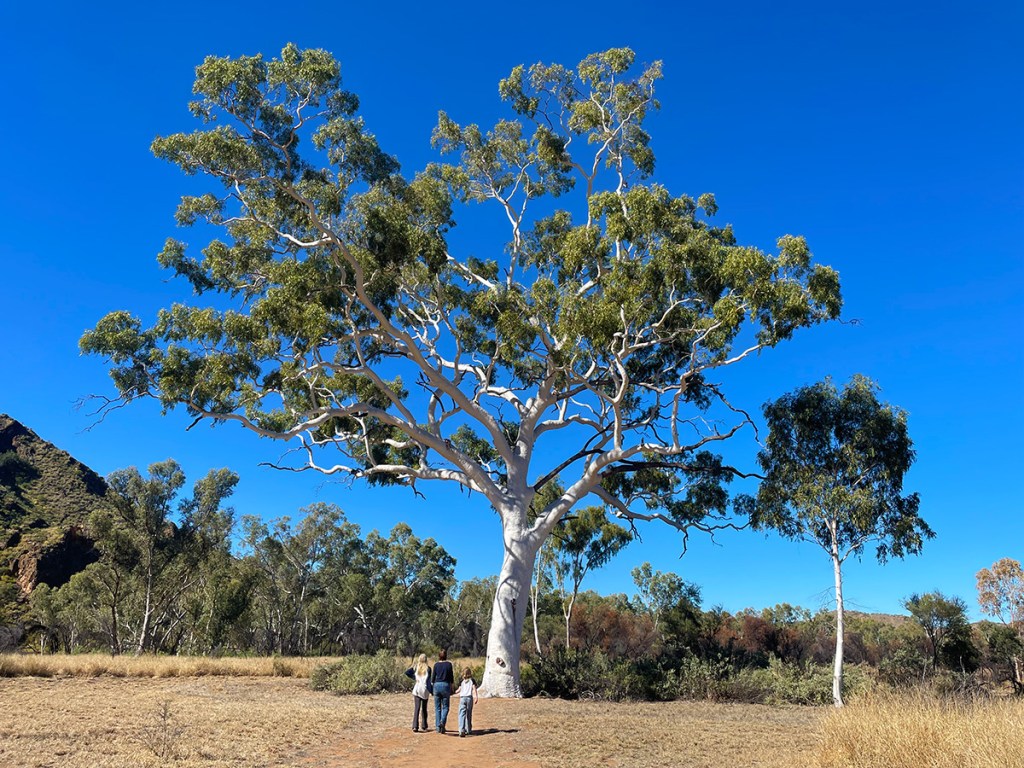
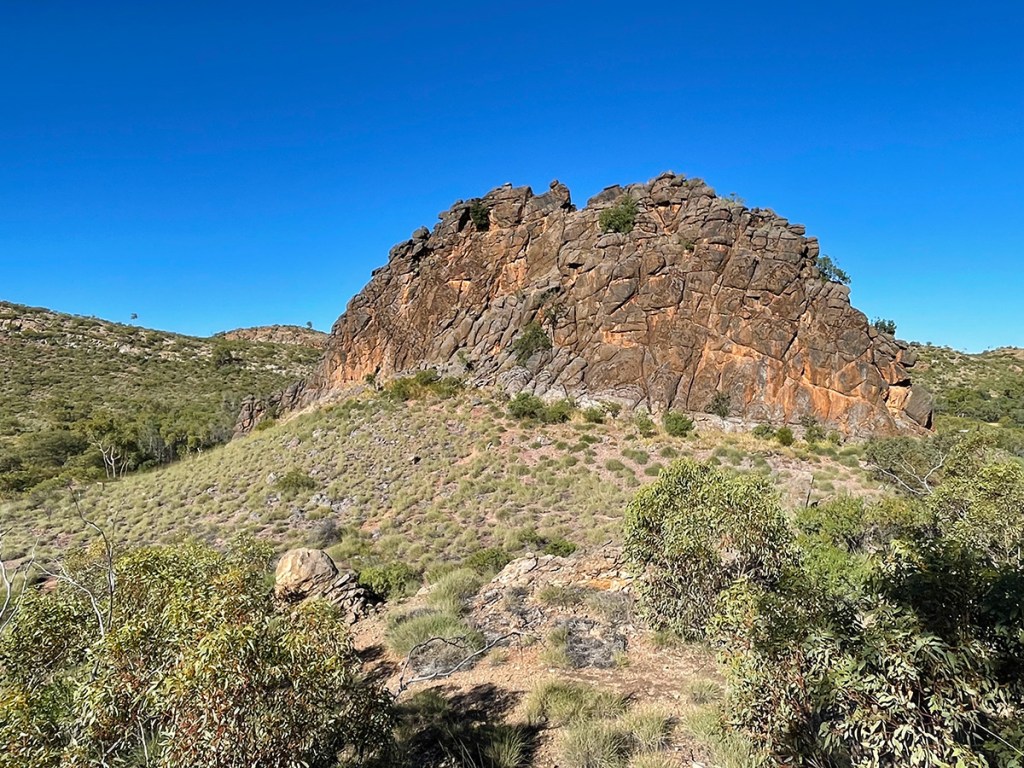
Our last stops on the way back to Alice Springs were the beautiful and tranquil Trephina Gorge, a majestic 300-year-old ghost gum tree, and Corroboree Rock, a sacred site formed 800 million years ago. In fact, the entire Red Centre is a stark reminder of just how unimaginably old the continent of Australia really is.