

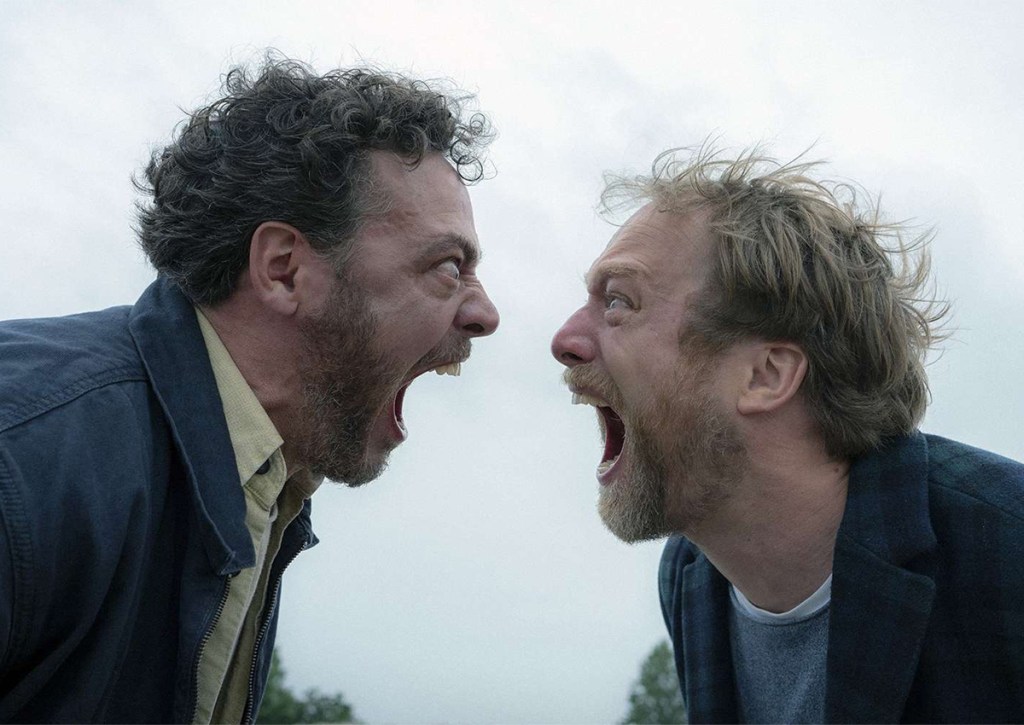
This bleak, cruel and twisted Danish horror film would have been unbearable if it didn’t also explore some interesting ideas about politeness and boundaries. It still made me feel not quite myself for the rest of the evening.
Lately there’s been a whole slew of sequels and remakes that instead piqued my interest in the original, including the new American remake of this acclaimed Danish film from a couple of years ago. Funnily enough, I’m now actually kinda interested to see a different spin on the same premise, even if the American version is more than likely to be dumbed-down and sanitised in comparison. I feel safe in predicting that there’s no chance of the remake going into the same nihilistic, stomach-churning places, but on the other hand I also wouldn’t want to re-live the original Danish ending. Put this one under ‘a very memorable, thought-provoking movie I never want to see again’.
The film telegraphs the impending horror with unnerving, blaring strings long before things go pear-shaped for the Danish couple Bjørn and Louise (Morten Burian and Sidsel Siem Koch). They’re enjoying a holiday in Tuscany with their young daughter Agnes when they make a pleasant acquaintance with a Dutch couple, Patrick and Karin (Fedja van Huêt and Karina Smulders) and their young speech-impaired son. Bjørn in particular develops a platonic man-crush on charismatic and confident Patrick, who displays the kind of uninhibited, assertive masculinity Bjørn himself lacks.
This feeling lingers even back home in Copenhagen, moving Bjørn to accept the invitation to spend a weekend at Patrick and Karin’s country residence in the Netherlands. An unusual invitation from someone they only got to know briefly, but, as their friends point out, it would be impolite to decline.
Before the film sticks a pitchfork into your soul with its scorched-earth ending, it builds an atmosphere of intense discomfort that mainly comes from the Danes’ willingness to be trapped by the rules of middle-class politeness and civility. From the moment they arrive at the remote rural house, their limits are tested with things that at first don’t seem deliberately offensive, such as when Patrick insists on Louise having a taste of wild boar meat, despite her saying previously that she’s a vegetarian. Because the Danes are terrified of looking like bad guests, they ignore their gut feelings and stay despite further transgressions and red flags, willing to be persuaded of their hosts’ good intentions when their patience does run out.
The movie is essentially a quartet, with the four main players committed to the parts that demand a full gamut of extreme emotions. The two male characters and the dynamic between timid, emasculated Bjørn and primal, freewheeling Patrick is perhaps most fascinating from a character standpoint. Toxic masculinity is a very popular topic these days, however I got an impression that the movie was actually a greater indictment of Patrick’s inability to be the strong man his family needed him to be.
Like many other entries in psychological horror genre, Speak No Evil plays the long game of slow burn, with a story that is designed to make you squirm like hell before the trap snaps shut and brutality is unleashed. The film’s most shocking moment is something I should have seen coming in theory, but I think my brain simply refused to consider an idea so appalling. The merciless ending presents the most unrelentingly dark and disturbing view of humanity possible, not just its monstrous side but also the passivity that makes it impossible to resist the monsters. I don’t think I’ll ever have a desire to revisit it, but I can certainly appreciate the craft and thought that went into this film.
 yggdrasille.com