

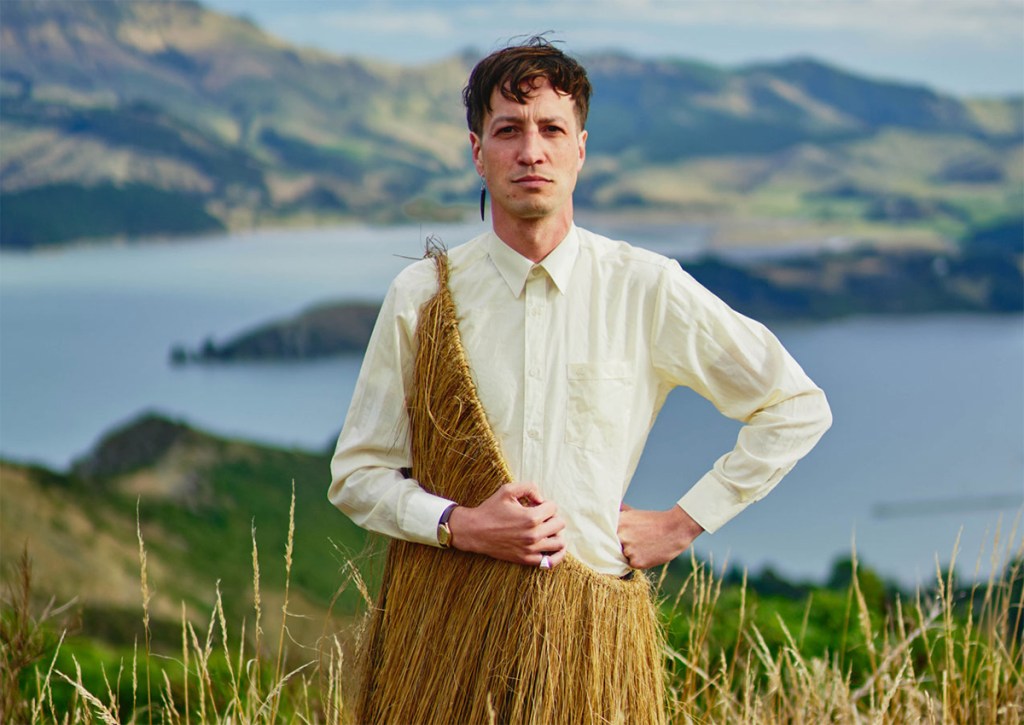
Melbourne International Film Festival is on and I’ve signed up for a bunch of movies. First up, I saw this documentary about Kiwi singer-songwriter Marlon Williams and his journey to connect with his Māori heritage.
I probably wouldn’t have picked this movie all by myself, but a few of my work colleagues were keen on it, and being a long-time Marlon Williams fan I was quite happy to go along. He’s an artist I’m drawn to because of his indelible live performances rather than albums, so I had no idea that his latest record, released earlier this year, is sung entirely in the indigenous language of New Zealand, te reo Māori. This documentary, four years in the making, follows Williams around the world and back in New Zealand as he goes back to his cultural roots and engages with the language he’s not really fluent in as an adult.
Other than the stunning natural beauty of New Zealand, the biggest asset of the film is Marlon Williams himself, just as charismatic and likeable offstage as he is when performing before the crowds. He truly comes off as a decent, self-aware, thoughtful guy unspoiled by success, even if he’s anxious about the effects his transient touring lifestyle is having on his well-being and relationships. He clearly doesn’t take himself too seriously and there were plenty of goofy, funny moments that had the packed Astor Theatre rolling with laughter.
At one point, Williams describes his divorced parents as deeply private people, and as candid as this documentary is meant to be, I was left with an impression that, behind his boyish grin and easy charm, he’s inherited a great deal of their reticence. It was telling that while Aldous Harding, his former partner and fellow Kiwi muso, appears in the film for a duet, I only learned about their past romantic relationship from my co-worker after the movie.
This impression might also be due to the approach of the movie, which races through Marlon’s early life and musical career and offers a snapshot of his last four years without dwelling on anything for too long. It would be overly harsh to call it superficial, and it is never less than engaging, but the film’s light and breezy tone and quick skips from one subject to another mean that it feels broad rather than deep. As an example, the film briefly touches on New Zealand’s racial tensions with a crude swipe against Māori language coming from a local politician on TV, but that’s where this examination of broader social issues pretty much stops.
The film finds its groove and focus when it gets down to the making of Te Whare Tīwekaweka, Williams’ new album written in collaboration with a language advisor who helped him get te reo Māori right. Lorde, who appears earlier on when Williams plays in support for her global tour, also pops up for a gorgeous performance as they record a new song together. I definitely want to check out the whole album.
After the screening, we were very fortunate to have a brief Q&A session with the director Ursula Grace Williams and the handsome fellow himself. As if I wasn’t impressed with Marlon Williams already, he also provided intelligent and articulate answers to the audience questions, shedding some light on his songwriting process among other things.
 yggdrasille.com